02-27217300
02-27217179
service@siloahtravel.com
Monday ~ Friday 09:00-18:00
14F.-3, No.137, Sec. 1, Fuxing S. Rd., Da’an Dist., Taipei City 106, Taiwan
Representative: Tung-Hua Tai
VAT: 43871553
交觀甲793500 品保北2260 隱私權條款
Copyright © 2025 Siloah Travel Co., Ltd.. All rights reserved.

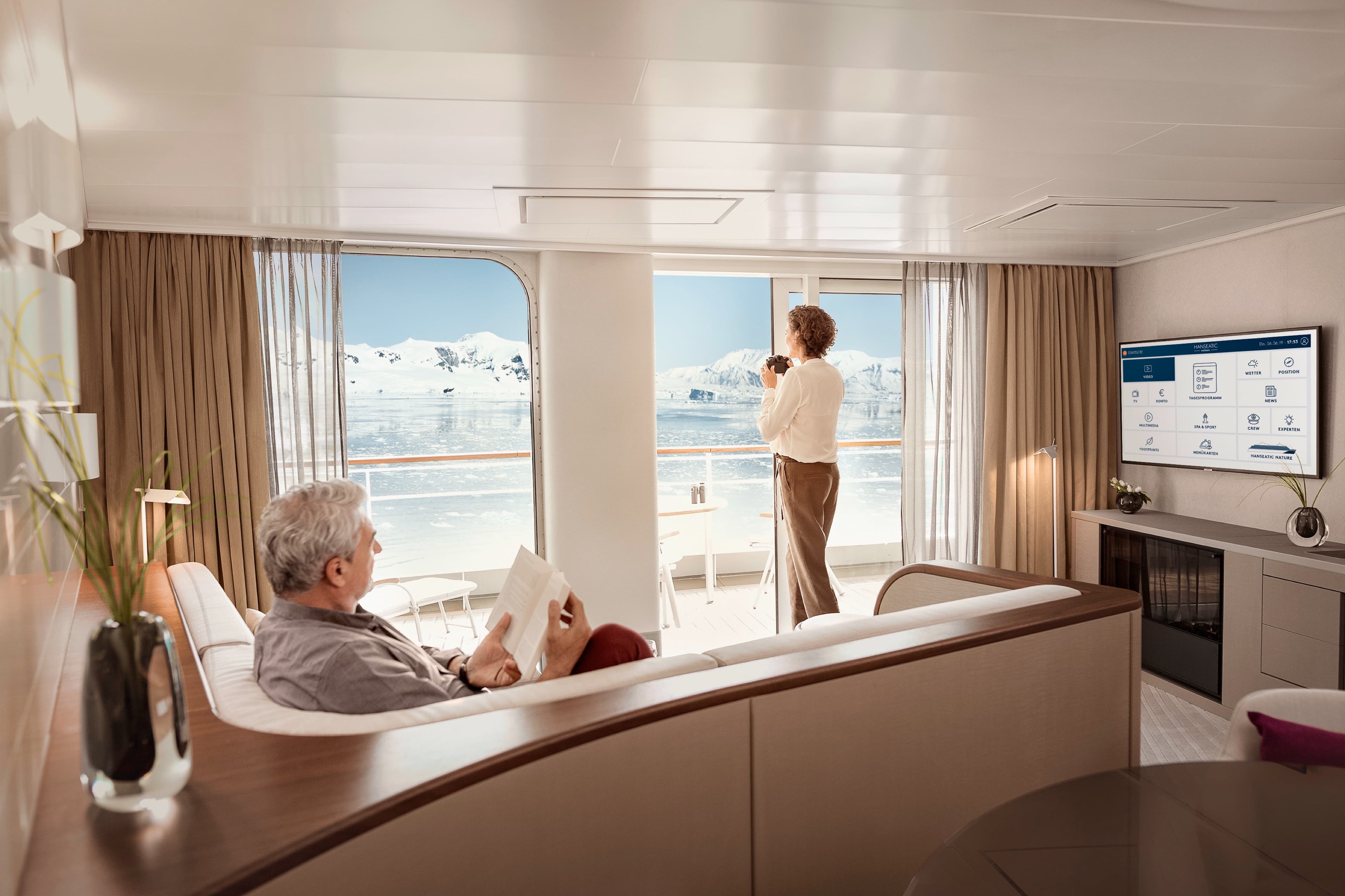
HANSEATIC nature
Hapag-Lloyd Cruises


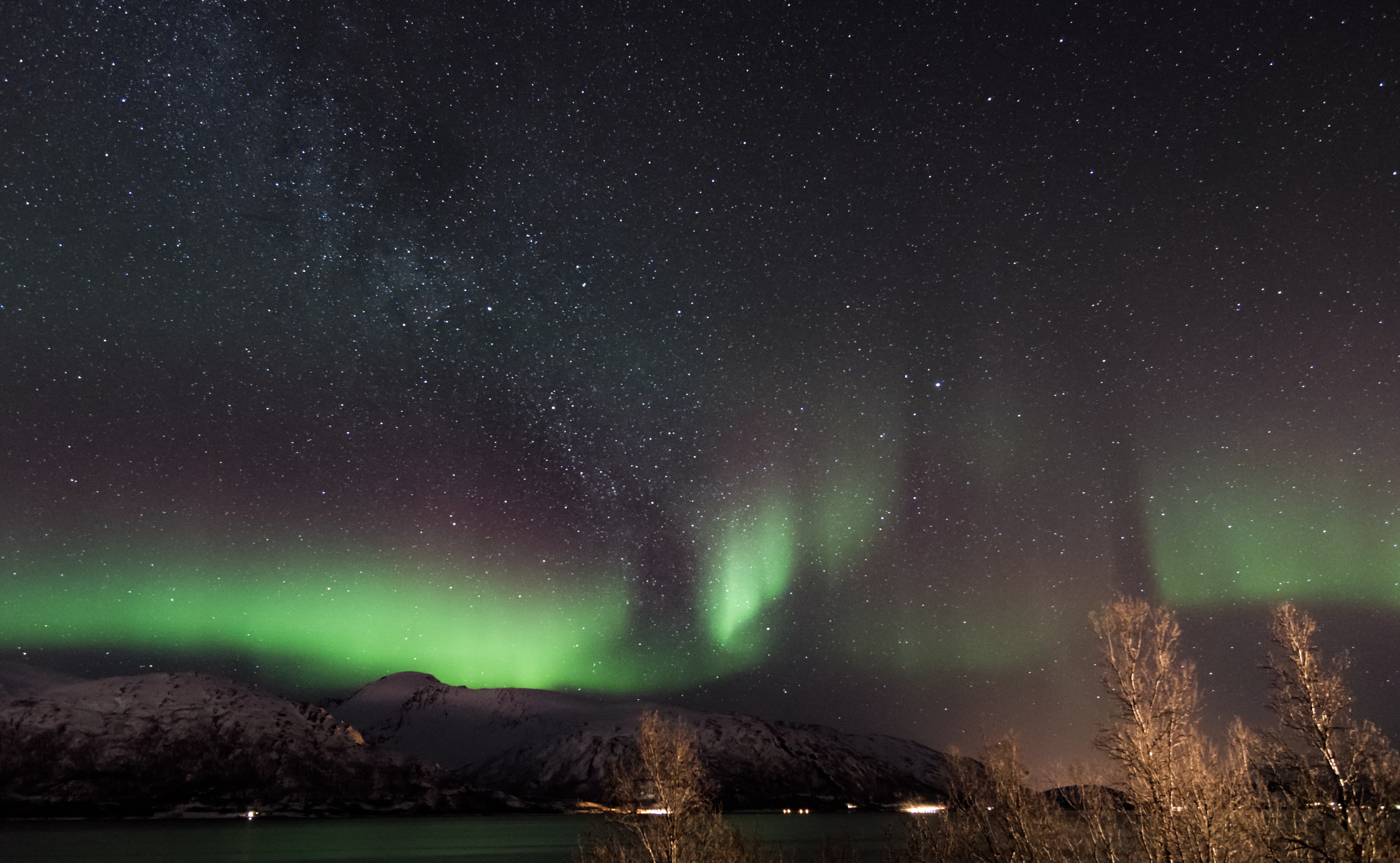
Nestled within the Arctic Circle, Tromsø, Norway's northernmost university city, is a captivating gateway to the Arctic. This vibrant town is rich in history, once a launch point for daring explorers and now home to the Polar Museum, where their adventures come to life. Discover the heritage of the Sami people at the Tromsø Museum, celebrating modern traditions. Marvel at the architectural beauty of the Arctic Cathedral, with its stunning stained glass, and take a ride on the cable car up Mount Storsteinen for breathtaking views of the surrounding fjords and lush landscapes. Experience a blend of history and nature that awaits you in Tromsø.

The rugged beauty of the countryside, combined with the powerful waves in the sea, create an unforgettable atmosphere when your ship cruises off the legendary North Cape. The most northerly point on the European mainland is on a majestic cliff 307 m (1007 ft) above the ocean. The North Cape is a geographical point, as well as a symbol of the spirit of adventure that will also come to life in you.

The rugged beauty of the countryside, combined with the powerful waves in the sea, create an unforgettable atmosphere when your ship cruises off the legendary North Cape. The most northerly point on the European mainland is on a majestic cliff 307 m (1007 ft) above the ocean. The North Cape is a geographical point, as well as a symbol of the spirit of adventure that will also come to life in you.

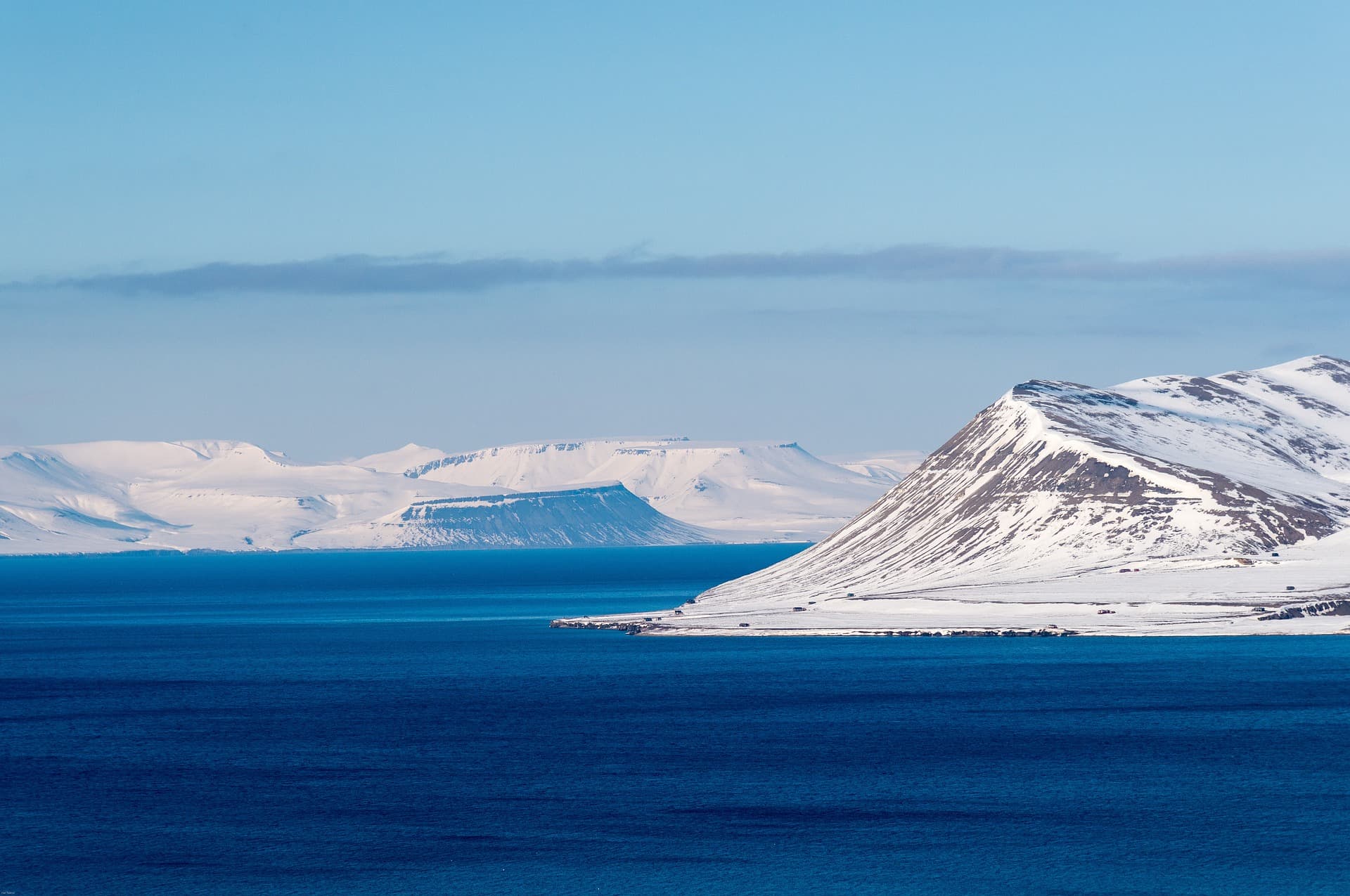
The wonders of the Arctic don’t just come to you – you have to seek them out. The same goes for Svalbard. Where the route is determined by nature, the weather and the ice, the crew’s many years of polar experience and the highest ice class for passenger ships are what really count. Time and again, you will head off in the Zodiacs to admire icy glacial cliffs or go ashore in remote bays. Your team of experts will provide captivating background knowledge during lectures on board and on numerous walks. With a little luck and from a respectful distance, you will observe polar bears, whales, Arctic foxes and walruses.On Barents Island, you may be able to spot reindeer in their flourishing natural habitat. The island is also an important area for polar bears, which bring their cubs into the world here. With a little luck and from a safe distance, you will be able to observe these animals from the ship.Weather and ice permitting, you will pass through the narrow Freeman Sound. Keep your eyes peeled: whales seek out protected biotopes off Spitsbergen and will happily follow ships that are passing the archipelago from time to time.You may be able to enjoy particularly weighty observations on Nordaustlandet, in the original territory of the walrus: these colossal creatures often like to lounge on the flat beaches. The mighty bulls can weigh over 1,000 kg (2,205 lb) and grow to 3.5 m (11.5 ft) in lengthAn almost mystical atmosphere will envelop you as you cruise through the Hinlopen Strait if the brownish and black beaches and rocks are cloaked in fog and ice. You may also spot some more whales.In the Liefdefjord, the majestic Monacobreen glacier will catch your eye. Blocks of ice keep falling into the fjord from the 5 km (3.1 miles) wide front. Take a look from the deck or from a Zodiac. The glacier was named in honour of Prince Albert I of Monaco, who explored the area in 1906 and 1907 with Gunnar Isachsen.The Arctic leaves nobody out in the cold – especially not at the thermal springs at Bockfjord. Limestone sinter terraces have formed around the hot springs, the only place you can see them in Svalbard. The water in the springs is groundwater, which is so hot that the temperature at the surface stays above 20 °C (68 °F) all year round.The Raudfjord will surprise you with its colourful accents and mountain slopes that shimmer in striking red. These red sandstone mountains are what give the fjord its name, meaning “red fjord”. Go ashore with the Zodiacs and enjoy the Arctic silence and solitude.An impressive Arctic landscape of steep mountains surrounds the Smeerenburgfjord. When your expedition ship cruises here, you will be able to see some fantastic glacier views. On a shore visit, you might see the timid Arctic fox.The small settlement of Ny-Alesund is known for its great polar history and international research. The world’s northernmost year-round research station is devoted to meteorology and research into global warming and the Northern Lights. Around 30 people live here in the winter and about 120 people in the summer. In Ny-Alesund you can find the world’s northernmost post office.


A distant island world, shrouded in ice for most of the year, with mountains rising up into the sky, untouched by humanity: north-east Greenland is the beautiful unknown. The history books on exploration still have empty pages here – for you to fill! Your expedition ship follows a flexible course to the deep fjords of the Northeast Greenland National Park – the largest of its kind in the world and home to musk oxen, polar bears, Arctic foxes and Arctic hares. A part of Greenland, which is truly impressive in its majesty. You will encounter very few humans here. What you will find, however, is fascinating history and nature.Sabine Island lies just a few kilometres east of the Wollaston Forland peninsula and was discovered by Europeans in August 1823. Here you can find pre-Inuit fireplaces and the remains of homes left by the Thule people.Clavering Island was named by the second German north polar expedition in 1869/1870 under Carl Koldewey after Douglas Charles Clavering, a British polar researcher who had explored this region in 1823. Clavering encountered a group of twelve Inuit here. His expedition remained the first and last encounter between Europeans and this Inuit group. Koldewey found only the tumble-down huts of the native Greenlanders, who probably died out in around 1850.Tales of geology and glaciology will be revealed in the labyrinth of the Kaiser Franz Josef Fjord. Steep rock faces alternate with glacier snouts, from which small and large icebergs drift off into the sea.The triangular Ella Island is fascinating with its almost 1,200 m (3,937 ft) high rocky flank. The island was discovered in 1899 by an expedition led by the Swedish polar explorer Alfred Gabriel Nathorst, who named it after his wife. Nathorst found the first Cambrian fossils in East Greenland here.Dramatic mountains, glaciers and vast tundra line the banks of the King Oscar Fjord. Will your unforgettable impressions of Greenland’s pristine beauty be rounded off here with a polar bear sighting?

A world of superlatives awaits you in Scoresbysund, the longest fjord system in the world. Greenland’s highest mountains, impressive glacier landscapes and glittering icebergs shape the region. Awe-inspiring rock faces rise up steeply before you, forming a rugged backdrop to fascinating white ice sculptures reflected in the water. On a hike through the grassy tundra, you may be able to spot some Arctic foxes.


Longyearbyen, the largest settlement in Svalbard, serves as the gateway to Arctic wonders. Nestled in the stunning Adventfjord, this charming town boasts an array of services and facilities, making it a perfect base for your explorations. Stroll through its vibrant streets, where shops, restaurants, and the captivating Svalbard Museum await. Discover the rich history of the region, from its natural beauty to its mining heritage. Don’t miss the opportunity to witness the northernmost university, UNIS, where knowledge thrives in this remote wilderness. Longyearbyen offers an unforgettable blend of adventure and culture for discerning travelers.